

Starting the gym for the first time can feel overwhelming.
You walk in and see rows of machines, racks of weights, and people who seem to know exactly what they’re doing. It’s easy to feel like you don’t belong there yet.
The truth is every experienced lifter started exactly where you are now.
This guide will walk you through everything you need to know before your first gym session, including:
- What to bring to the gym
- What to wear for comfort and performance
- Gym etiquette beginners should know
- A simple approach to your first workouts
By the end of this guide, you’ll know exactly how to walk into the gym with confidence and start training properly.
Quick Summary: Beginner Gym Essentials
If you’re starting the gym, here are the basics you should bring.
- Water bottle
- Small gym towel
- Comfortable training clothes
- Proper training shoes
- A simple gym bag
- Optional accessories like straps or wraps later
You don’t need complicated gear. Consistency matters more than equipment when you’re starting out.
What to Bring to the Gym (Beginner Checklist)
One of the most common beginner questions is:
“What should I bring to the gym?”
You don’t need much. Just the basics.
1. Water Bottle
Hydration directly affects performance and recovery.
Most gyms have water fountains, but bringing your own bottle ensures you stay hydrated throughout your session.
2. Gym Towel
Most gyms require members to wipe down equipment after use.
A small towel helps keep equipment clean and is good gym etiquette.
3. Gym Bag
A simple gym bag keeps everything organised and avoids carrying loose items.
Your gym bag typically holds:
- Water bottle
- Towel
- Spare shirt
- Lock for locker
- Headphones
4. Headphones
Music helps many people focus and maintain training intensity.
Just remember to stay aware of your surroundings.
What to Wear to the Gym
Choosing the right clothing makes training more comfortable and safer.
Gym Shirts
Look for breathable materials that allow free movement.
Oversized tees and lightweight performance shirts are common choices.
Avoid heavy cotton shirts that trap sweat.
Shorts or Leggings
Choose clothing that allows full range of motion.
For strength training, flexible shorts or leggings work best for:
- Squats
- Deadlifts
- Lunges
- Machine exercises
Training Shoes
Shoes matter more than most beginners realise.
Avoid:
- Running shoes with thick cushioning
- Slippery soles
Instead choose:
- Flat training shoes
- Stable cross-training shoes
These provide better balance during strength exercises.
Beginner Gym Accessories (Optional)
When starting the gym, you don’t need many accessories.
However, as your strength increases, some tools can improve performance and comfort.
Examples include:
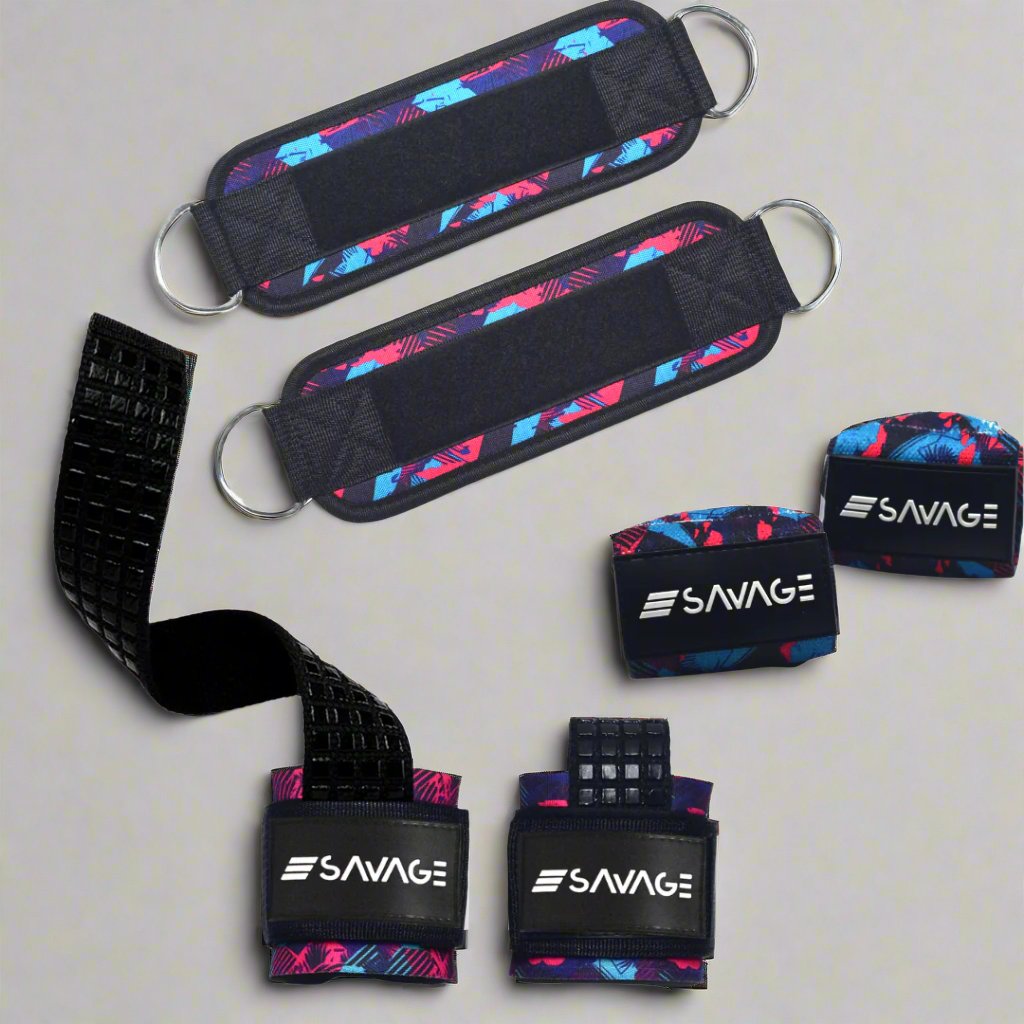
- Wrist wraps for pressing stability
- Lifting straps for back exercises
- Ankle straps for cable glute work
These become useful as training intensity increases.
For a full breakdown of useful gym gear, see our complete guide:
The Ultimate Gym Accessories Guide
Gym Etiquette Beginners Should Know
Understanding gym etiquette helps you feel more comfortable and avoid awkward situations.
Re-Rack Your Weights
Always return dumbbells and plates to their correct place after use.
Wipe Down Equipment
Use your towel or gym wipes after using benches or machines.
Don’t Occupy Equipment Too Long
If the gym is busy, avoid long rest times while sitting on machines.
Be Aware of Others
Avoid standing directly in front of someone lifting or blocking mirrors during sets.
Most gym members are supportive of beginners who follow basic etiquette.
Your First Gym Workout (Keep It Simple)
The biggest mistake beginners make is trying to do too much.
Start with simple full-body workouts.
A beginner workout might include:
- Squats or leg press
- Push exercises like bench press or push-ups
- Pull exercises like rows or lat pulldowns
- Core work such as planks
Focus on learning proper technique rather than lifting heavy weight.
How Often Should Beginners Go to the Gym?
Consistency beats intensity when starting.
A simple schedule works best.
Beginner Training Frequency
2–3 sessions per week is ideal when starting.
Example schedule:
- Monday – Full Body
- Wednesday – Full Body
- Friday – Full Body
This allows recovery while building strength and confidence.
Common Beginner Gym Mistakes
Almost everyone makes mistakes in the beginning.
Avoid these common ones.
Trying to Lift Too Heavy
Focus on learning technique first.
Skipping Warm-Ups
Always warm up your joints and muscles before heavy exercises.
Following Random Workouts
Stick to a simple plan instead of copying different exercises each day.
Comparing Yourself to Others
Everyone trains at a different stage.
Your only goal is to improve from your previous workout.
How to Stay Consistent at the Gym
The hardest part of starting the gym is not the first workout.
It’s staying consistent.
A few strategies help beginners stay on track.
- Schedule workouts like appointments
- Start with short sessions
- Focus on progress, not perfection
- Track your workouts
Consistency builds results.
Frequently Asked Questions
What should beginners bring to the gym?
Beginners should bring water, a towel, comfortable workout clothes, and proper training shoes.
What is the best workout for beginners?
Full-body workouts are best for beginners because they train all major muscle groups while allowing recovery between sessions.
How long should a beginner gym workout be?
Most beginner workouts last between 45 and 60 minutes.
Do beginners need gym accessories?
No. Accessories like straps or wraps can help later, but beginners should first focus on learning proper exercise technique.
Final Thoughts
Starting the gym doesn’t require perfect knowledge, expensive equipment, or advanced workouts.
It requires consistency.
Bring the basics. Wear comfortable training clothes. Focus on learning good technique.
With time, confidence and strength follow naturally.
Every experienced lifter once walked into the gym for the first time.
Your journey starts the same way.
Just show up and start.